
SØRFOND 2026: GRANTS AWARDED FOR TEN PROJECTS
Ten international co-productions together receive 5 425 000 NOK in support from Sørfond in 2026.
The grants go to productions from Nigeria, South Africa, Palestine, Tanzania, Morocco, Iran, Bosnia-Herzegovina, Vietnam, Colombia and Iraq, in which eight Norwegian producers are involved as co-producers.
The jury has selected three documentaries and seven fiction films. The list includes both established and new filmmakers, as well as experienced and new co-producers from Norway. The Norwegian Film Institute received 53 applications, with a total application sum of 37.8 million NOK.
Since launching in 2011, Sørfond has supported 116 productions, including this year's recipients.
«Sørfond contributes to strong international collaborations and creates space for stories and perspectives that would otherwise face greater challenges. This year’s allocations demonstrate the clear international position the scheme has achieved. These are films with high artistic ambitions, and several of them are likely to be seen at major festivals in the years to come,» says Kjersti Mo, Director of the Norwegian Film Institute.
Jury Statement
From a remarkable pool of submissions from around the world, selecting this year’s projects was both an honor and a challenge. The strength of the stories, the courage of the filmmakers, and the urgency of the questions they ask made every discussion thoughtful, passionate, and often difficult. We encountered far more exceptional projects than we could ultimately select, and we want to acknowledge the vision, dedication, and artistry of all who submitted. To those who were not selected this year: your stories matter. We hope you continue telling them, and we look forward to meeting them again in the future.
Across this year's selection, we encountered families searching for justice, communities fighting for survival, lovers resisting exclusion, children carrying ancient knowledge into an uncertain future, artists challenging repression, and individuals navigating the complex terrain between memory, identity, grief, and hope. Whether set in Morocco, Palestine, Nigeria, Tanzania, Iran, Bosnia and Herzegovina, Colombia, South Africa, Vietnam, or Iraq, these stories remind us that the struggle for dignity, freedom, and belonging is both deeply local and profoundly universal.
Many of these filmmakers work in environments where artistic expression remains fragile, where speaking truth carries risk, and where cinema continues to serve as a vital space for witness, resistance, and imagination. Their films challenge silence, illuminate hidden histories, and create opportunities for empathy across borders and experiences.
At a time when division often dominates public discourse, these projects remind us of cinema's unique ability to build bridges between worlds. We are proud to support these filmmakers and their bold, compassionate visions, and we look forward to the journeys these stories will take as they find audiences around the globe.
- Wanuri Kahiu, Mette Cheng Munthe-Kaas, Lasse Skagen
BAPTISM OF SILENCE
Photo: Unusual Bones.
Country: South Africa
Film Type: Fiction
Director: Kanya Viljoen, Emilie Badenhorst
Norwegian co-producer: Eye Eye Pictures, Andrea Berentsen Ottmar and Dyveke Bjørkly Graver
Producer: Unusual Bones, Casey-Ann Diepeveen
Support: 500 000 NOK
Synopsis: Set in a rural South African mining town, this powerful coming-of-age drama follows siblings Isabel and Joshua as a traumatic initiation rite fractures their bond. As shame, silence, and societal expectations threaten to divide them, they must confront painful truths to find their way back to each other.
Jury Statement: The female director duo of Baptism of Silence use their own experiences with their brothers to challenge and confront adolescent trauma in a rural Afrikaans community in South Africa. The story follows two siblings: a younger brother who changes dramatically after being traumatized by violent high school initiation rituals accepted as a tradition, and an older sister losing her sense of stability when a safe cornerstone of her family and life dissolves. The jury finds the script sharp, daring, intimate and touching on adolescent challenges that resonate not only in South Africa, but in many other parts of the world. The film addresses disturbing truths about toxic masculinity in rites of passage for boys and insists that these practices should be challenged and not silenced.
BLACK HARVEST
Country: Palestine
Film Type: Fiction
Director: Said Zagha
Norwegian co-producer: Barentsfilm, Ingrid Lill Høgtun, Marie Fuglestein Lægreid and Linda Bolstad Strønen
Producer: Twenty Seven Films, Myriam Sassine
Support: 625 000 NOK
Synopsis: After his son is killed, a Palestinian father’s pursuit of vengeance drags him into a brutal spiral of crime and corruption that could destroy his remaining family.
Jury Statement: Black Harvest is a powerful story about family, love, and the impossible choices people make when the systems around them fail. Set in the West Bank, it follows a father and brother navigating grief after the sudden and violent loss of a son, asking a haunting question: what would you do to save your child from a world that has already decided their fate?
The film offers a rare and intimate glimpse into Palestinian life beyond the headlines, revealing the complexities of access, class, and life under an entrenched authority. While rooted in a landscape shaped by oppression and uncertainty, the story is carried by richly drawn characters whose humor, tenderness, and resilience refuse to be extinguished.
As grief turns into a search for justice, the family is forced to confront the reality that the rules were never designed to protect them. Their choices challenge audiences to consider what they would do when faced with political failure, moral compromise, and impossible odds. Black Harvest is a gripping and deeply human portrait of a family fighting to hold onto hope, dignity, and each other when everything else threatens to slip away.
CHILDREN OF HONEY
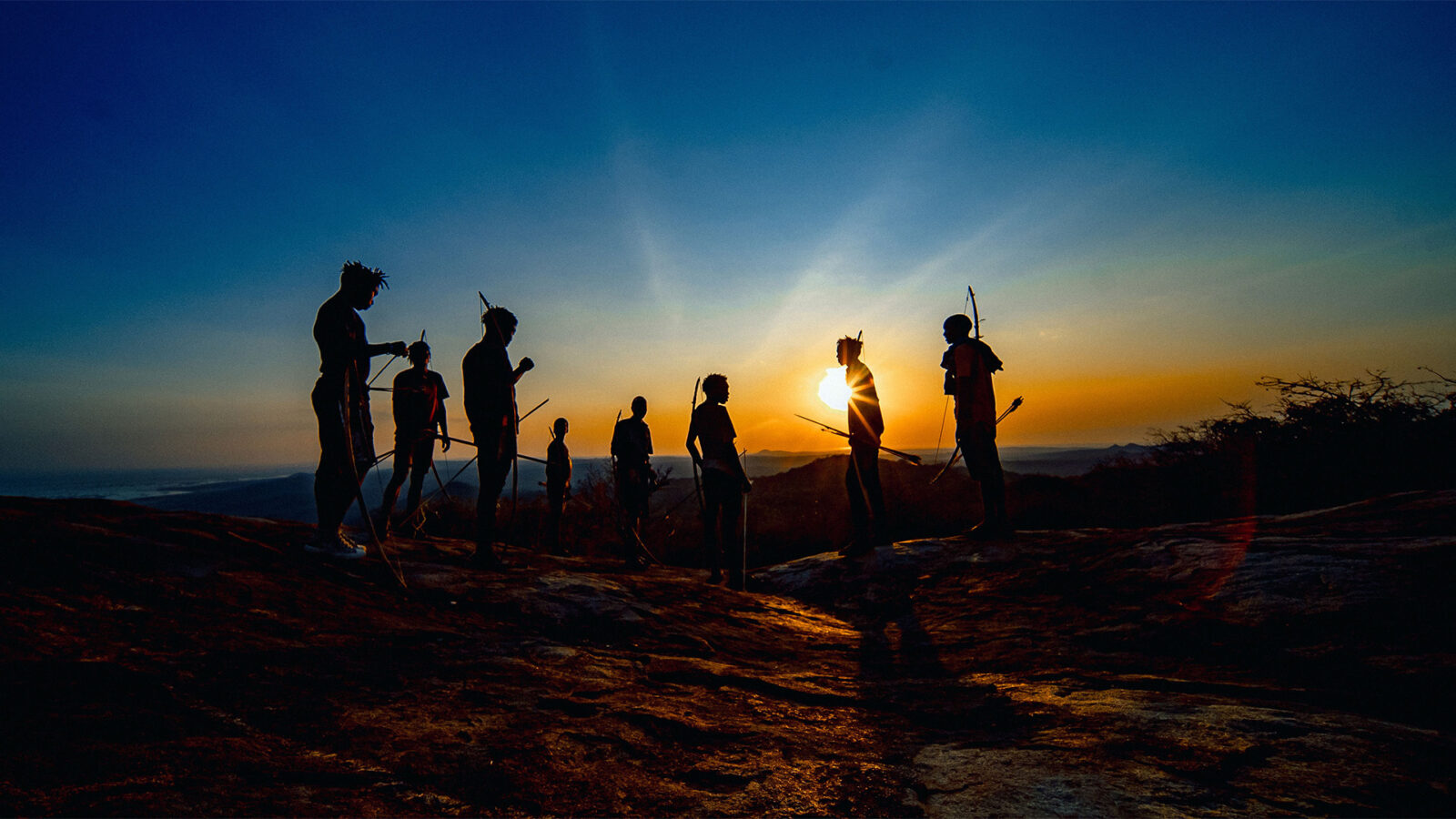
Photo: Hadza Community, JG Creative Storyboard Studios
Country: Tanzania
Film Type: Documentary
Director: Jigar Ganatra
Norwegian co-producer: Folk Film, Anita Norfolk
Producer: JG Creative, Jigar Ginatra and Natalie Humphreys
Support: 500 000 NOK
Synopsis: In a remote Tanzanian valley, three friends come of age in one of the world’s last hunter-gatherer societies. As the precious honey they depend on becomes harder to find, this next and possibly last generation of Hadza youth, find themselves confronted by what it really means to hold onto wisdom passed down to them from thousands of years. Created through shared authorship, with this film we aim to help transform how audiences see Indigenous Communities and our relationship to nature.
Jury Statement: Children of Honey is a vivid and intimate documentary about three Hadza children growing up in northern Tanzania, where honey is food, medicine, spiritual offering, and part of a culture built on sharing. As bees begin to disappear and tourism, alcohol and loss of land put pressure on daily life, the film follows Nuba, Embelebi and Nguilabe through a time of change and uncertainty. The film’s long-term collaboration with the Hadzabe community stands out, especially in the way the children help shape the film through their own footage. These images bring humor, playfulness and openness, creating a natural and honest way into their lives. The film avoids a simple story about tradition versus modernity, and instead explores dignity, agency and survival. It gives us a clear sense of what can be lost when balance comes under pressure. The Duduk’we myth anchors these questions in Hadza storytelling and belief.
DON'T LET THE SUN GO UP ON ME
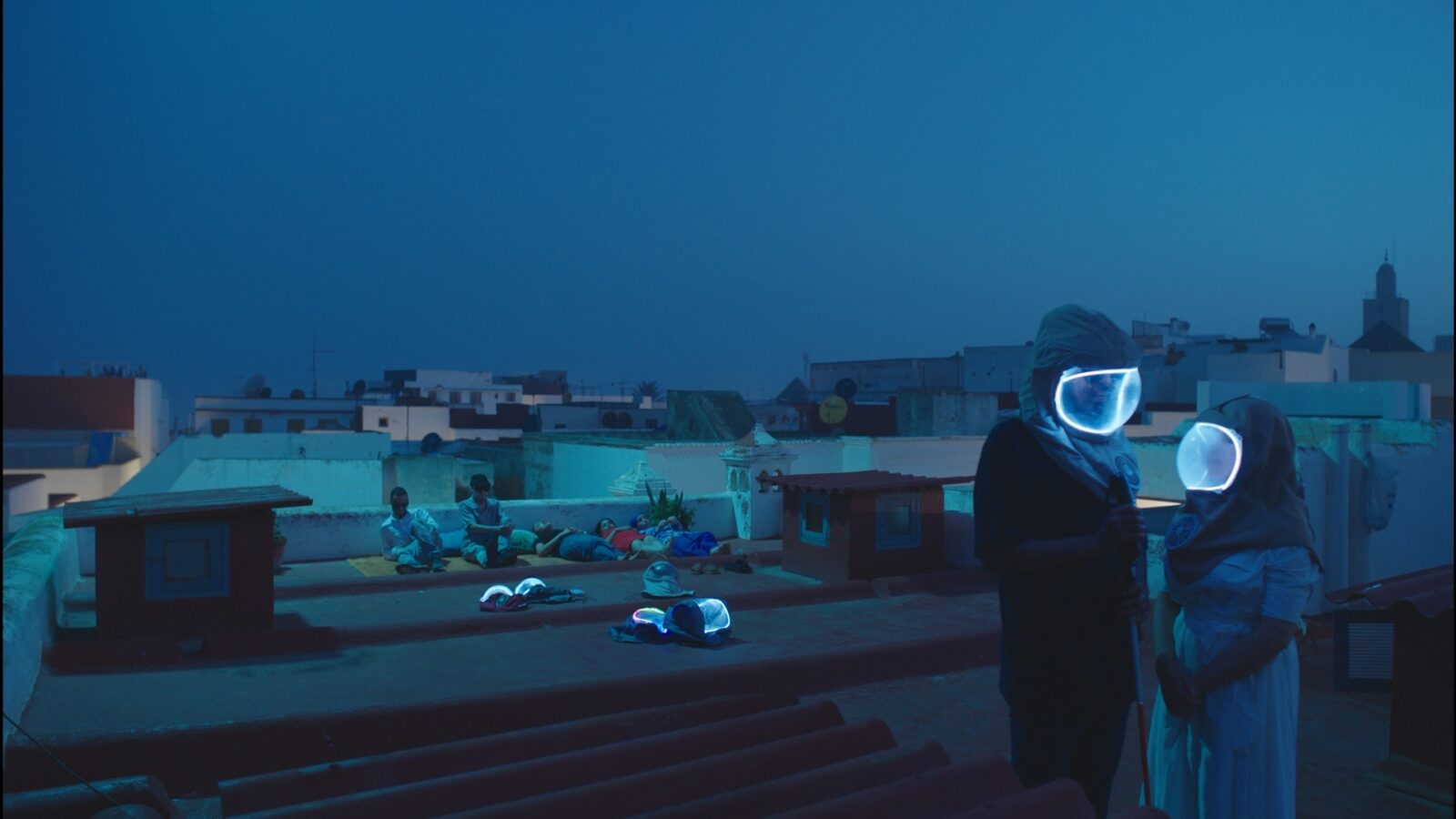
Photo: Asmae El Moudir
Country: Morocco
Film Type: Documentary
Director: Asmae El Moudir
Norwegian co-producer: Lofoten Film Collective, Yngvar Christensen and Ingve Wegge
Producer: Insight, Asmae El Moudir
Support: 600 000 NOK
Synopsis: Fatimazahra belongs to the "Children of the Moon," a community in Morocco bound by a rare genetic condition that makes daylight a mortal threat. The film follows her nocturnal existence and the devotion of a father who reimagines their world to shield her from the sun. Following her death, the family establishes a sanctuary in Rabat, eventually leading other affected children on a journey to the sunless landscapes of Norway in search of a different kind of freedom.
Jury Statement: Don’t Let the Sun Go Up on You is a heartbreakingly tender documentary about an often unseen community living with the rare genetic disorder Xeroderma Pigmentosum (XP), a condition that makes exposure to sunlight potentially life-threatening.
Through the filmmaker’s intimate relationship with Fatima Zahra and her family, the film gains extraordinary access to years of family history and opens a window into the world of the Children of the Moon Association, founded by Fatima’s father, Habib. What emerges is both a deeply personal portrait and a powerful exploration of identity, belonging, and resilience, where the people in it, both those who battle with XP and their families are illuminated by the warmth, humor, determination, and love that define Fatima and her family.
It is their passion, courage, and unwavering hope that linger. More than a story about living with limitation, Don’t Let the Sun Go Up on You is a moving celebration of what it means to be beautifully human: to build community, embrace joy, and live with kindness in the face of adversity.
FALSO POSITIVO

Photo: David Sanchez
Country: Colombia
Film Type: Fiction
Director: Theo Montoya
Norwegian co-producer: Eye Eye Pictures, Andrea Berentsen Ottmar and Dyveke Bjørkly Graver
Producer: Desvio Visual
Support: 600 000 NOK
Synopsis: In the mid-2000s, three stories intertwine around Colombia’s so-called “false positives.” Jeison (28) and his partner Angélica (21) travel through rural towns recruiting young men with the promise of becoming actors in the United States. At the same time, Zugar (24), a trans model and webcam performer, returns to her hometown to search for her brother Denis, who disappeared after accepting an offer to travel to the U.S. Meanwhile, Commander Montoya (50) organizes a celebration to honor his troops for their military successes in the war against the guerrillas.
Jury Statement: Falso Positivo is a bold and unsettling film rooted in one of Colombia’s major human rights scandals, where civilians were killed and falsely presented as guerrilla fighters. Through Zugar’s search for her missing brother, the film looks at how state violence reaches those who are already pushed to the margins: poor young men, drug users, sex workers and queer and trans people. The film responds to this violent fiction with the language of the fantastic: a war criminal transformed into a mushroom, ghosts and disappearances, and a child born as a serpent. The result is an ambitious film about state violence, deception, and lives treated as expendable.
HEARING
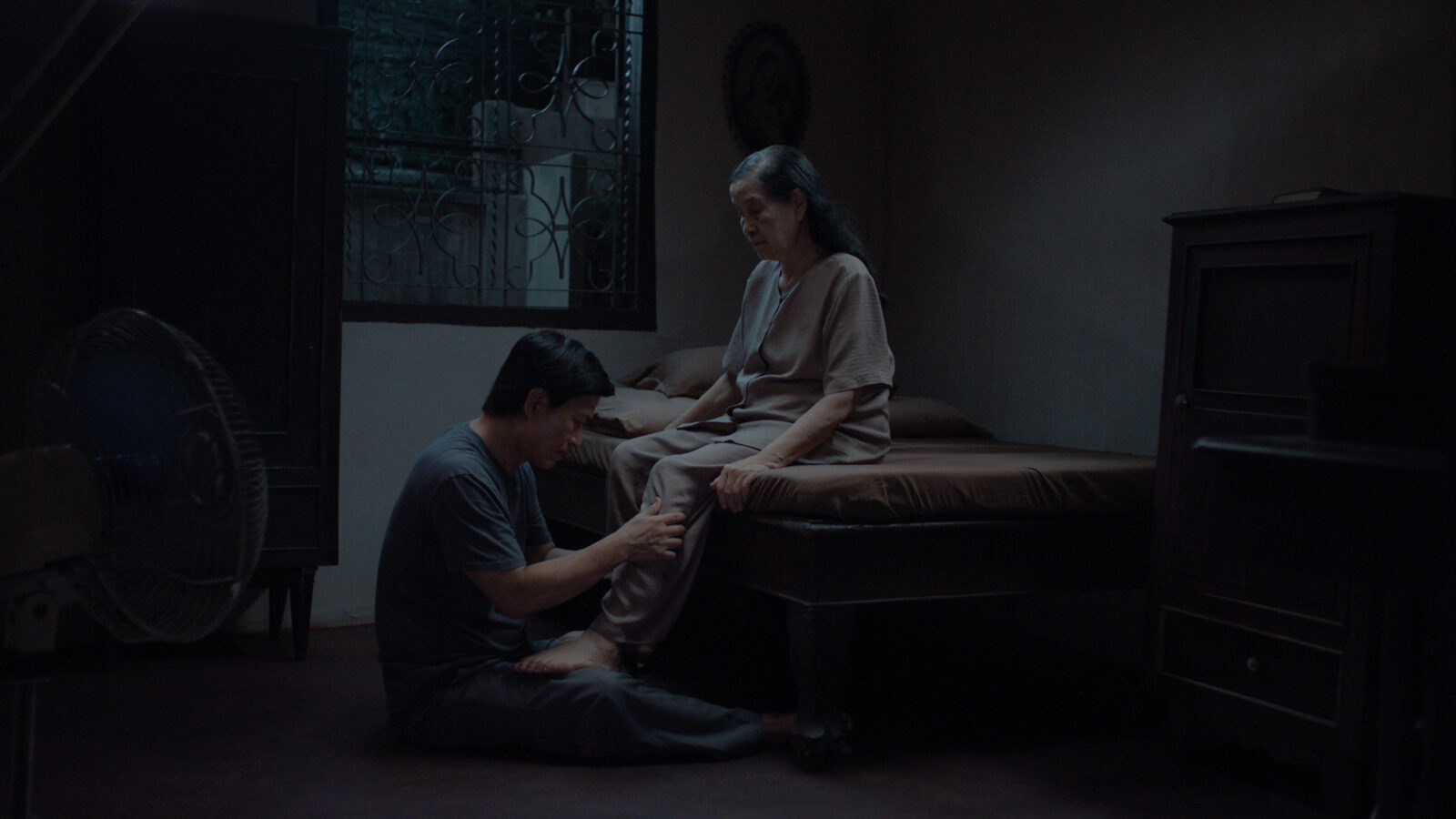
Photo: Sensory Ocean Films
Country: Vietnam
Film Type: Fiction
Director: Lê Bảo
Norwegian co-producer: Stær, Elisa Pirir
Producer: Sensory Ocean Films, Huỳnh Thị Bảo Yến
Support: 500 000 NOK
Synopsis: In this tender and enigmatic anti-love story, Ninh drifts through a life shaped by quiet regret while working as a decibel technician. As he measures the sounds around him, he encounters unexpected disturbances – from restless spirits to unruly monkeys – revealing a world where grief, memory, and longing quietly resonate.
Jury Statement: Following his stylistically extraordinary first feature film Taste from 2021, the jury is truly captivated by the new and beautiful window the director is opening as a love letter to his family and the places close to his heart in Vietnam. With masterfully composed visuals, as in his previous film, the director explores the cycle of domestic violence that haunts his family relations from father to son. Through the main protagonist Ninh, working as a sound level technician, the director's special visual style is expanded to include a sensitive and powerful balance between image and sound. With his first feature being banned in his home country for addressing politically and socially sensitive issues, such as the treatment of minorities and women's rights, the jury finds it very important to support the artistic freedom of the director and his continued engagement with challenging realities in his own country.
KACHIFO (TILL THE MORNING COMES)
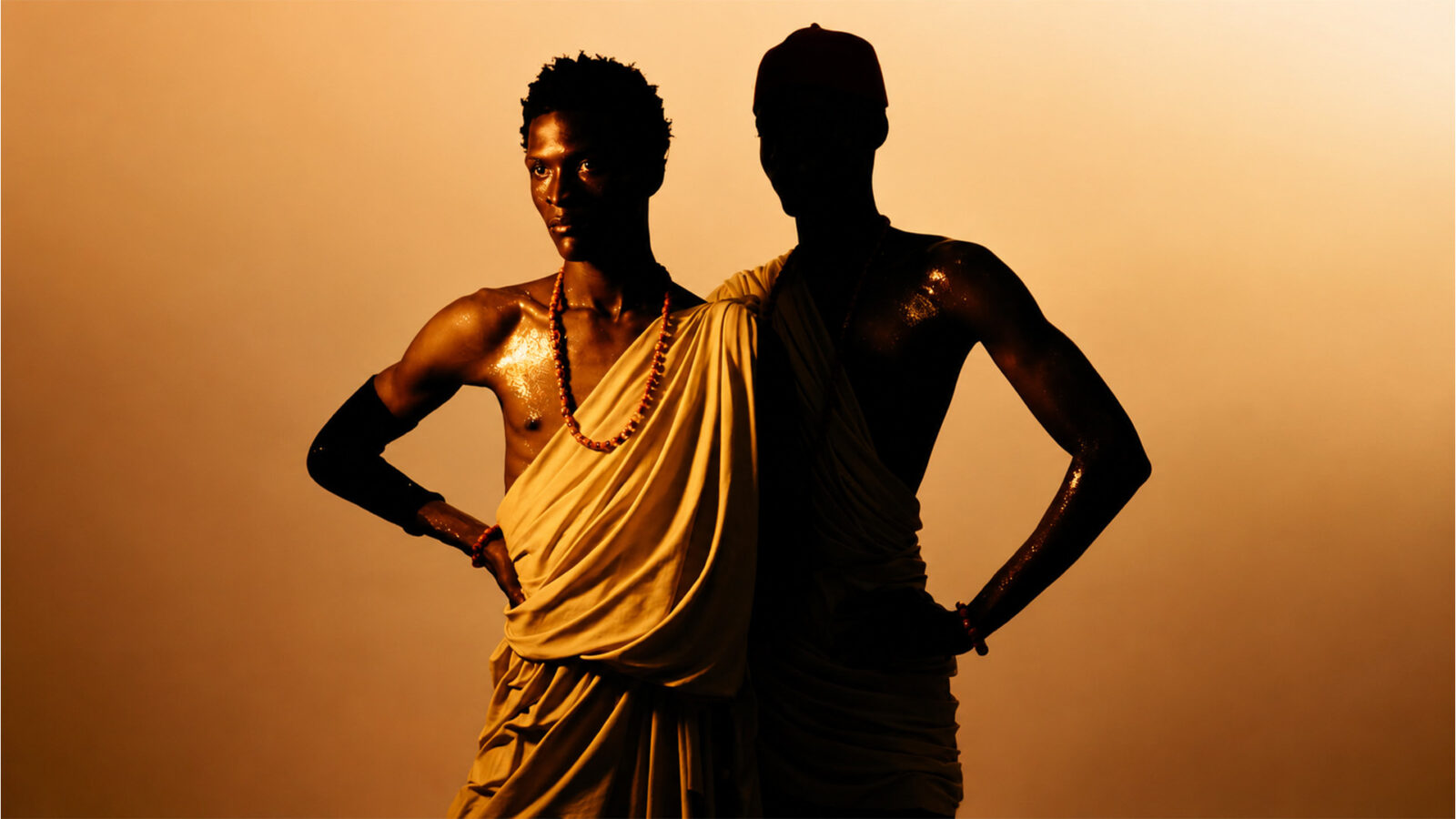
Photo: Rachel Seidu
Country: Nigeria
Film Type: Fiction
Director: Dika Ofoma
Norwegian co-producer: DUOfilm AS, Linda Bolstad Strønen, Ingrid Lill Høgtun and Marie Fuglestein Lægreid
Producer: Bluhouse Studios, Blessing Uzzi (Uzoma Blessing Chibuike)
Support: 600 000 NOK
Synopsis: Bound across lifetimes by a blood oath, Achebe and Nnanna are drawn together again in contemporary Nigeria. As their connection deepens, they must navigate a society that condemns their love, in this moving story of reincarnation, destiny, and the courage to embrace who they are.
Jury Statement: Kachifo is a sweeping love story that unfolds across two timelines, bound by the enduring power of connection. In one life, star-crossed lovers struggle to find a way to be together despite the expectations of their society. In another, they are reincarnated as Achebe and Nnanna, a young gay couple navigating a love that feels both startlingly new and deeply familiar.
Moving effortlessly between past and present, the film explores a timeless truth: that across generations, identities, and lifetimes, we continue to seek the same thing—to love and be loved.
As the parallel stories unfold, the characters confront the tension between personal desire and social expectation. Their journeys mirror one another, revealing how love often requires courage, especially when it challenges deeply held norms. Set in Nigeria where same-sex relationships can be punished by up to fourteen years in prison, Kachifo does not shy away from the realities its characters face. Yet it is equally committed to portraying tenderness, acceptance, and the possibility of belonging.
Through its compassionate portrayal of both the couple and their families, the film offers a moving vision of grace, resilience, and devotion. Kachifo is ultimately a story about choosing love in the face of fear, and about the extraordinary ways love can endure, transform, and survive across lifetimes.
MADNESS AND HONEY DAYS
Country: Iraq
Film Type: Fiction
Director: Ahmed Yassin Al-Darraji
Norwegian co-producer: Kaj Film, Karrar Al-Azzawi and Aurora Hannisdal
Producer: Purattu, Maytham Jbara
Support: 500 000 NOK
Synopsis: After being accused of publicly insulting Saddam Hussein, actor Salem avoids execution by convincing authorities he is insane. Exiled to a psychiatric hospital in Baghdad, he must carefully balance performance and reality, knowing that if he is declared sane, a death sentence awaits.
Jury Statement: “There is something rotten in the state of Denmark” is the key line in Shakespeare's Hamlet. Applied to Iraq under President Saddam Hussein, one truly can say the same. When the protagonist and theatre actor in Madness and Honey Days accidentally offend the tyrant in public, certain death or detention in a psychiatric ward as insane are the only options. The jury is impressed by the creative script, depicting a protagonist who completely dives into the role of Hamlet in a psychiatric ward to stay alive. It gives a surprising, and at times both hilarious and bleak, perspective on how to survive under a regime where all missteps are punished with no mercy. The script moves between the morbid and the laughable, and gives an inventive take on where the madness actually is confined in a society governed by a brutal dictatorship. To use a cultural icon like Shakespeare in this plot gives the film a universal dimension, while the Iraqi director uses his artistic capabilities in an impressive way to scrutinise the history of his home country.
QUO VADIS, AIDA? - THE MISSING PART
Country: Bosnia and Herzegovina
Film Type: Fiction
Director: Jasmila Žbanić
Norwegian co-producer: Mer Film, Maria Ekerhovd
Producer: Deblokada, Jasmila Žbanić
Support: 500 000 NOK
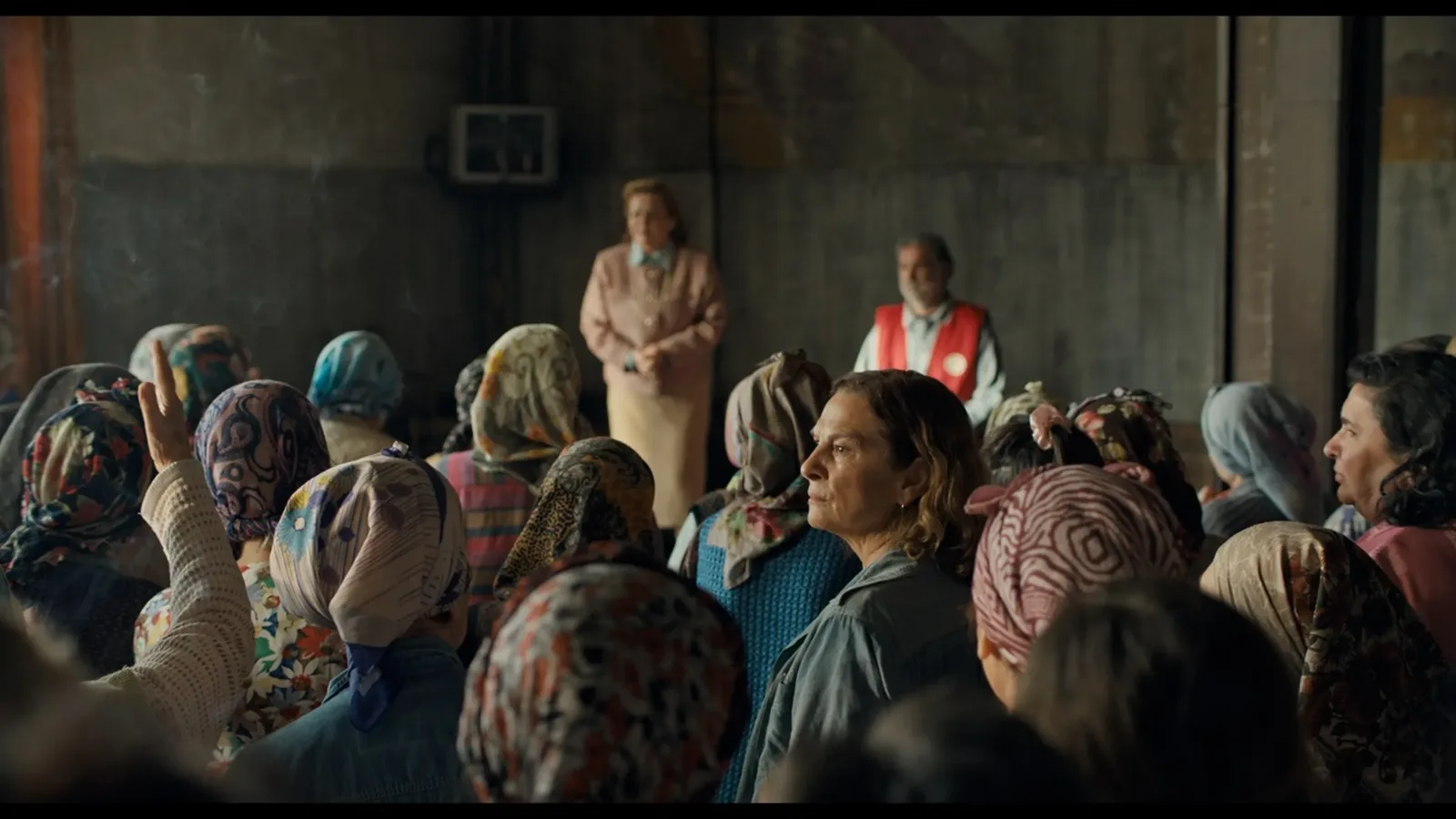
Synopsis: A UN translator seeks justice after Bosnian Serb forces killed 7,000+ civilians in the war's worst massacre. She lost her family and now leads efforts to expose the truth and prosecute those responsible.
Jury Statement: «A moving drama set in the fragile peace after the genocide in Srebrenica. The film follows Aida and women who are still searching for their missing sons, husbands and brothers, while authorities offer delays, silence and denial. It shows the cruel bargain of peace: crimes are left unnamed, and those who demand answers are treated as a threat to stability. The women are not only defined by loss; they are sharp, stubborn and alive. Their search becomes a fight to force the truth into the open, in a story that reaches far beyond Bosnia.»
SHOOTING STARS
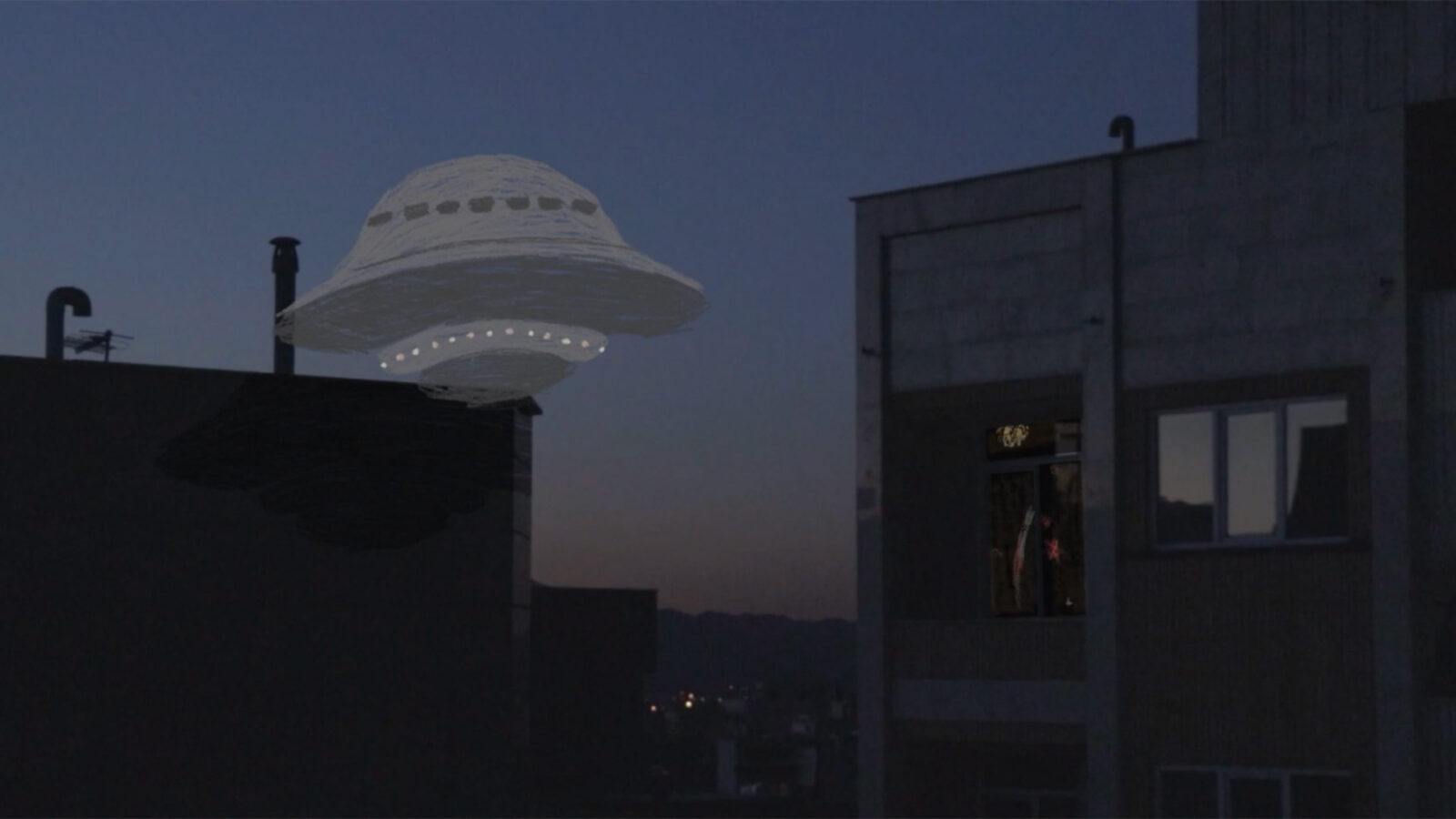
Photo: Folk Film AS.
Country: Iran
Film Type: Documentary
Director: Parsa Ansari
Norwegian co-producer: Folk Film, Anita Norfolk
Producer: Seven Springs Pictures, Milad Khosravi
Support: 500 000 NOK
Synopsis: While investigating mysterious UFO sightings from his childhood, a boy begins to question who the real aliens are. His search gradually shifts from extraterrestrial fantasies toward the invisible outsiders living among us on Earth. Blending cosmic imagination with social observation, Shooting Stars explores themes of identity, alienation, and social division. Through the metaphor of space and extraterrestrial life, the film reflects on how societies label, exclude, and construct the “other"
Jury Statement: «A personal and visually distinctive documentary about the feeling of alienation, told through director Parsa Ansari’s own experience. The film connects his childhood fascination with UFOs and aliens to the reality of young people in education and public life. Through animation, archive and interviews, the film builds a visual language where the alien metaphor feels playful and precise rather than forced. The film finds an original way to speak about what it means to be made an outsider in your own society.»